

Sista Girl JD® | Legal Tools & Strategy for Creators & Pro Se Litigants

End-of-life planning conversation between an older parent and adult child at home
Planning ahead begins with open, honest conversations.

End-of-Life Planning & Guidance

A practical, compassionate starting point for families who want clarity — not chaos.

End-of-life planning isn’t about giving up — it’s about taking control.
This page brings together practical guidance, free tools, and next-step resources to help individuals and families prepare for medical decisions, legal authority, and final wishes before a crisis hits.

Whether you’re planning for yourself, supporting aging parents, or navigating decisions after loss, this is your place to start.

What Is End-of-Life Planning?

End-of-life planning is the process of documenting medical wishes, choosing trusted decision-makers, and organizing critical information so your family isn’t left guessing during a medical emergency or after death.

It’s not just for seniors. It’s for:

  • Adults of any age with children

  • Caregivers and executors

  • Families facing serious illness

  • Anyone who wants to reduce stress, conflict, and confusion later

Key areas covered include:

  • Medical decision-making authority

  • Healthcare preferences

  • Financial and legal readiness

  • Executor and caregiver guidance

  • Legacy and final wishes

Why Planning Ahead Matters

Without clear instructions, families are often left scrambling — emotionally and legally — during moments of crisis.

Planning ahead helps:

  • Prevent family conflict and confusion

  • Avoid court delays or guardianship issues

  • Ensure medical wishes are respected

  • Reduce stress for caregivers and loved ones

  • Create clarity during emotionally overwhelming moments

This isn’t about perfection — it’s about preparedness

Adult daughter helping an older parent review planning information together

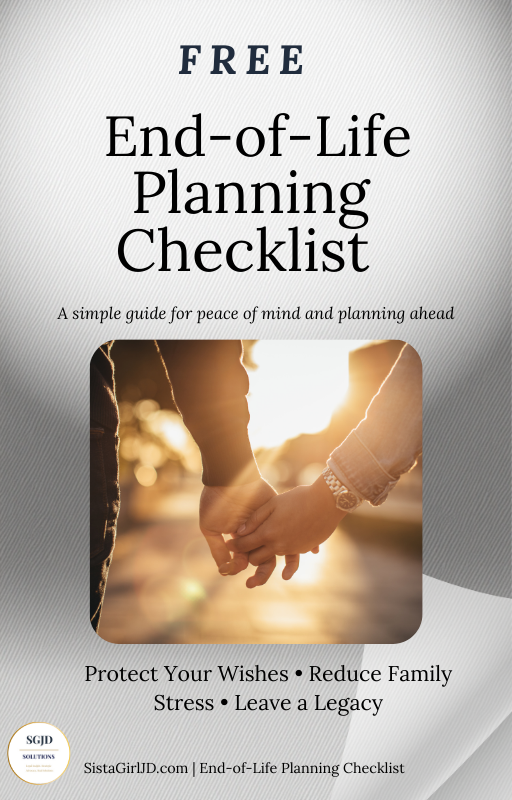
Start With the Free End-of-Life Checklist

If you’re not sure where to begin, start here.

The Free End-of-Life Planning Checklist walks you through:

  • Medical decision basics

  • Key documents to locate or prepare

  • People you need to designate or notify

  • Information your family will need quickly

  • Common gaps families don’t realize exist

Download the Free End-of-Life Checklist

Go Deeper With Guided Planning Resources

Once you’ve completed the checklist, you may want more structure and explanation. These resources are designed to meet you where you are.

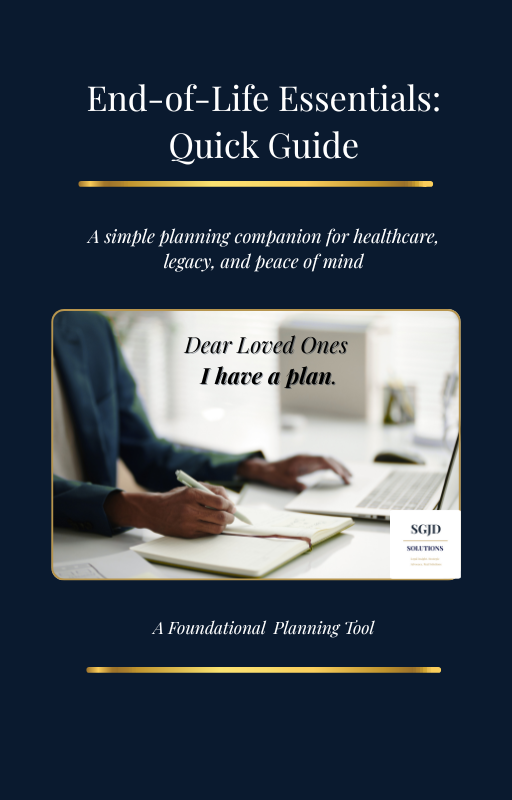
End-of-Life Essentials Quick Guide cover with navy background and gold lines, featuring a person writing at a desk

End-of-Life Quick Guide

A clear, plain-language guide that explains medical decisions, legal roles, and planning concepts without overwhelm. .
Learn more →
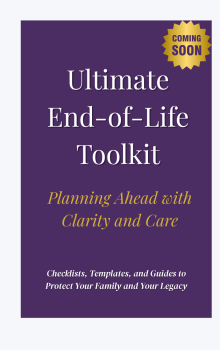
Placeholder book cover for Ultimate End-of-Life Toolkit – Planning Ahead with Clarity and Care by Sista Girl JD. Coming Soon.

Ultimate End-of-Life Toolkit (Coming Soon)

A comprehensive planning system with worksheets, templates, and step-by-step guidance..
Learn more →

Know Your Worth Creator Checklist PDF for content creators

Family Legal Support

Educational guidance for executors, caregivers, and family decision-makers navigating responsibility after a loved one passes.
Learn more →

Who This Page Is For

End-of-life planning looks different depending on where you are in life — but everyone benefits from clarity. This guidance is designed for individuals and families who want to make informed decisions before they’re forced to make them under pressure.

This guidance is designed for:

  • Adults planning ahead for themselves

  • Adult children caring for aging parents

  • Executors and personal representatives

  • Caregivers managing medical decisions

  • Families dealing with serious illness or loss

  • Anyone who wants clarity before a crisis

If you’ve ever said I don’t know what I’d do if something happened — this page is for you.

Family reviewing planning documents together at home

Frequently Asked Questions About End-of-Life Planning

End-of-life planning is the process of organizing healthcare wishes, financial authority, and practical decisions in advance, so important choices can be made smoothly if someone becomes seriously ill or unable to communicate. It helps reduce stress, confusion, and last-minute decision-making for families and caregivers.

End-of-life planning often includes healthcare powers of attorney, advance directives or living wills, financial powers of attorney, and practical planning tools related to housing, care, and financial management.

Yes. As long as a person can understand the document and voluntarily sign it, they can usually create a valid power of attorney—even if they have health issues or disabilities.

If capacity is lost and no planning documents exist, loved ones may need to seek court-appointed guardianship or conservatorship. This process can be time-consuming, expensive, and emotionally difficult.

Planning ahead gives caregivers the legal authority and documentation needed to communicate with doctors, manage finances, arrange housing or care, and advocate effectively without unnecessary delays.

Educational planning resources help families understand options and prepare thoughtfully, but they do not replace legal advice. Some situations may still require an attorney depending on individual circumstances and state law.

Many families begin with a checklist or guided planning resource to identify which decisions and documents are most relevant before moving forward.

A Quick, Important Note

All resources provided here are educational and informational.
They are designed to help you understand planning concepts, organize information, and prepare for conversations — not replace personalized legal advice.

For legal documents or state-specific requirements, consult a qualified attorney in your jurisdiction.

You don’t have to do everything today.
But starting now can make all the difference later